Practice · 19 January 2018
The three things anyone can do to stay healthy
Strip away the supplements, the gadgets and the protocols, and three habits account for most of the difference. None of them cost anything.
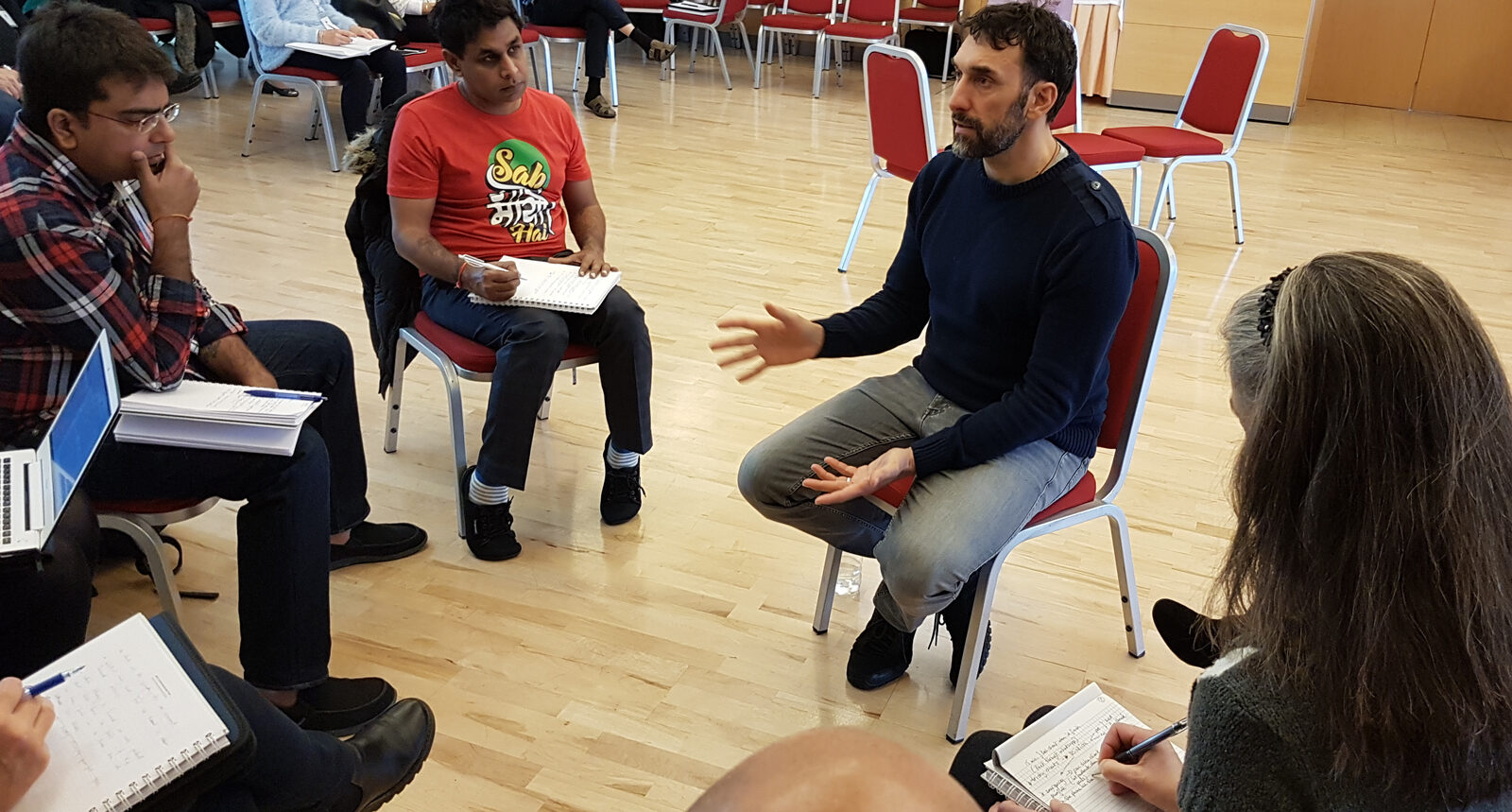
We run a fairly demanding protocol here, and we still tell people the same thing at the end of every lecture: most of the available benefit comes from three habits, and none of them require us.
If you take nothing else from this site, take these.
1. Change what you drink before you change what you eat
Not the food. The drink.
Most people are mildly dehydrated most of the time, and then compound it with things that dehydrate further — coffee, alcohol, sugared drinks. Fixing water intake alone changes energy, digestion, skin and sleep within about ten days, which is faster than almost any dietary intervention.
Then, if you want the second-order gain: add fresh vegetable juice. Not bought juice — pressed, that day. One glass daily, sustained for a year, does more than any supplement regime we have seen. Why juicing rather than blending is worth understanding if you are going to bother.
2. Move every day, gently, outside
Not training. Movement.
The most consistent finding across everyone we see is not that unwell people never exercise — it is that they exercise hard occasionally and sit still the rest of the time. The lymphatic system has no pump; it depends entirely on you moving. Thirty to forty-five minutes of easy walking daily outperforms two hard gym sessions a week for almost everything except muscle mass.
Outside matters too, and not only for the light. It is the one part of the day most people are not looking at a screen.
3. Breathe deliberately, and get cold sometimes
Twenty minutes of structured breathing a day changes the autonomic nervous system measurably. It is free, it needs no equipment, and it is the single practice guests most often keep after they leave.
Add cold — a cold finish to the shower is enough to start — and you get a documented immune response on top. This is the Wim Hof territory, and it is one of the genuinely well-evidenced recent additions to the field.
Start with thirty seconds. Everyone who tells you they could never do it started at thirty seconds.
And then?
If those three are in place and something still is not right, the problem is likely layered — and that is when a supervised week doing all four tracks at once becomes worth considering. That is what the Z4 Protocol is.
But do these first. They are free, and for most people they are enough.